
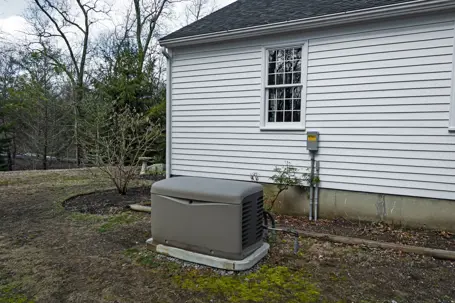
Choosing a backup power system is one of the most significant investments you can make for your home’s safety and comfort. In the New Orleans area, where weather patterns can be unpredictable and the grid can face immense pressure, having a reliable source of electricity isn't just a luxury.
However, a common mistake many property owners make is choosing a system based solely on price or physical size rather than the actual electrical demand of their household. Selecting a generator that is too small can lead to system overloads, while one that is far too large may lead to fuel inefficiency and unnecessary costs.
Understanding Your Power Needs
The first step in sizing a generator is determining exactly what you want to keep running when the neighborhood goes dark. Electrical loads are measured in watts, and every appliance in your home has a specific requirement. It is helpful to categorize your needs into "essentials" and "comforts" to get a realistic view of your power profile. Essentials usually include your refrigerator, freezer, and well pumps, while comforts might include your central air conditioning, water heater, and kitchen appliances.
When calculating these needs, you must account for two different types of wattage:
- Running Wattage: Also known as rated watts, this is the continuous power an appliance needs to keep operating.
- Starting Wattage: This is the extra surge of power needed for a few seconds to start motor-driven appliances like your AC compressor or refrigerator.
- Total Capacity: Your generator must be able to handle the combined running wattage of all items plus the highest starting wattage of your largest motor.
The Difference Between Partial and Whole-Home Coverage
Many homeowners struggle with the decision of whether to back up the entire property or just specific circuits. A partial-home solution often utilizes a smaller unit and a load center that powers only selected breakers, such as the kitchen and a few lights. This is a cost-effective way to ensure food safety and basic visibility during a storm.
On the other hand, a whole-home standby system is designed to carry the entire electrical load of the property. This means your life continues as normal, with the ability to run the laundry, use the oven, and keep the entire house cool in the Louisiana heat. Because these systems are more robust, they require precise sizing to ensure the engine and alternator can handle the demand without straining.
Managing Your Electrical Load
You don't always need a massive generator if you learn how to manage your power effectively. Load management (sometimes called "load shedding") is a smart way to get more out of a moderately sized system. Modern transfer switches can be programmed to prioritize certain high-draw appliances over others.
Consider these factors when thinking about how you use power:
- Prioritizing high-draw items like the HVAC system so they don't all kick on at the exact same moment.
- Understanding that items with heating elements, like hair dryers or electric ovens, use a surprisingly high amount of wattage.
- Utilizing digital power management modules that automatically "drop" non-essential loads if the generator nears its capacity.
Why Professional Sizing Matters
It might be tempting to use an online calculator and buy a unit off the shelf, but residential power systems are complex. Professional sizing involves looking at your electrical panel, evaluating the age and efficiency of your appliances, and considering your future needs. For example, if you plan on adding a home office or a new suite in the future, your power needs will shift.
A professional assessment ensures that your fuel source—typically natural gas or liquid propane—is also adequate for the size of the generator chosen. Without the correct gas pressure and volume, even the best-engineered generator will fail to reach its rated capacity.
Finding Your Perfect Power Match
At Saia Generator and Gas, we understand that every home in Orleans and Jefferson Parish has a unique footprint and different priorities. Our team specializes in the design and installation of residential generators, ensuring that the system we provide is perfectly calibrated to your specific lifestyle. We take the guesswork out of the process by conducting a thorough site analysis and evaluating your gas services to guarantee a seamless transition when the grid fails. From routine wellness checks to professional sizing, we treat your property with the same care we would our own to ensure you never have to sit in the dark.
For peace of mind that your family will stay cool and safe during the next power outage, contact Saia Generator and Gas at (504) 372-6050 or fill out our online form to schedule your free estimate today.